
Uncategorized
Planning for the year ahead
Discover top winter beekeeping tips, varroa management strategies, and insights into mite resistance for healthy, thriving colonies in the UK.
Read MoreBIBBA guide to forming and running bee improvement groups
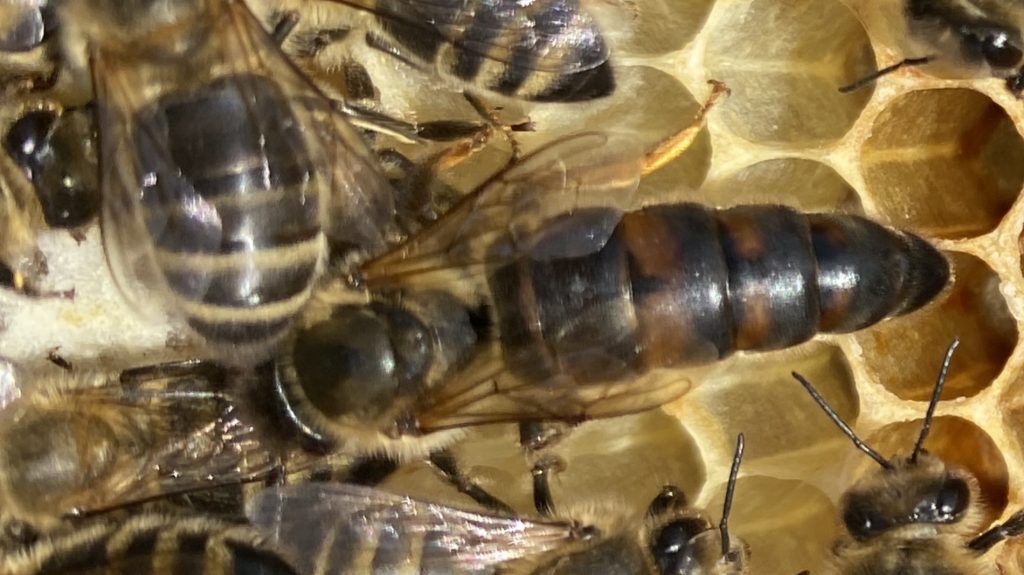
With contributions from Jo Widdicombe, Roger Patterson and Steve McGrath. The Bee Improvement and Bee Breeders Association (BIBBA) is a Charitable Incorporated Organisation (CIO) No 1200969 founded in 1964 (originally called The Village Bee Breeders Association (VBBA)). BIBBA’s objects are … “…the conservation, restoration, study, selection, and improvement for the public benefit of the native…
Read MoreDecember: Ending the year where we started it, or better
Discover top winter beekeeping tips, varroa management strategies, and insights into mite resistance for healthy, thriving colonies in the UK.
Read MoreToolkit-3
Potential Beekeepers and the Public Guidance for Beekeeping Associations on Communication and Public EngagementBy Roger Patterson Interest in bees and beekeeping has grown dramatically in the 21st century—fuelled partly by media stories and well-intentioned but often inaccurate messaging. While much of this publicity is outside the control of beekeepers, ignoring it is unwise. If beekeepers…
Read MoreToolkit-Potential beekeepers and the public
Possibly fuelled by media activity, there has been great interest in bees and beekeeping in the 21st century, although in some respects it may not be in the best interests of the craft, but perhaps unwise to ignore it without response. Some of the publicity suggests that bees are in trouble and all you have…
Read MoreCopy of test
Sorry, we couldn't find any posts. Please try a different search. Honey bees, with only one species, that are those that beekeepers keep. There is a lot more to know about them than is usually given in books and training courses. It isn’t often appreciated that some bees suit the locality better than others, need…
Read MoreRed Listed
 Joe Ibbertson
Wild Western Honey Bees (Apis mellifera) are now classified as Endangered in much of Europe, including southeast England, according to the IUCN Red List of Threatened Species.
Free-living colonies face severe threats from habitat loss, pesticides, invasive species like Varroa mites and Asian hornets, and genetic impacts from modern beekeeping.
Key survival depends on natural nesting sites and diverse foraging habitats, including urban areas.
Conservation efforts highlighted by the Red List include:
- protecting habitats
- controlling invasive predators and parasites
- promoting native bee subspecies,
- avoiding non-native genotype introductions
- expanding research
Without action, Europe’s wild honey bees — vital pollinators — face further decline.
Read Moretest
Bees Many people, including beekeepers, are often unaware of the different types of bees, thinking that bees are bees are bees and so on. In the UK there are about 270 species of bees, less in Ireland and the islands, with some being localised owing to habitat and suitable food sources. Bees are in three…
Read MoreBumblebees
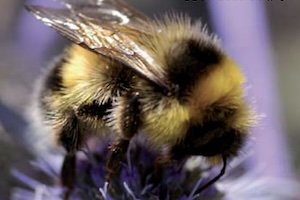
Bumblebees are among the most
endearing and familiar of our
garden insects. The sight and sound of bees, droning methodically from flower to flower, is a quintessential part of a summer’s day.
Bitesize Beekeeping Topic List
Free-Living Honey BeesExpandFree-Living Bees: Nature’s Unmanaged Colonies Introduction When most people think about bees, they picture neatly painted hives in tidy rows, tended by beekeepers in protective suits. While this is the familiar image of beekeeping, it’s only part of the story. All over the world – including here in the UK…Read More about Free-Living…
Read More