
Posts by Nick Mawby
Different Types of Bee
Worldwide, there are four species of honey bee, although only one is native to Europe, Africa, the Middle East, and parts of Asia: Apis mellifera, known as the Western Honey Bee.
The honey bee (Apis genus, especially Apis mellifera) stands out from other bee species because it’s the only bee that combines all of the following traits:
Read MoreBitesize Beekeeping Topic List
Free-Living Honey Bees
Free-Living Bees: Nature’s Unmanaged Colonies Introduction When most people think about bees, they picture neatly painted hives in tidy rows, tended by beekeepers in protective suits. While this is the familiar image of beekeeping, it’s only part of the story. All over the world — including here in the UK — there are honey bee…
Read MoreVR June 2025
Varroa Resistant Colonies The heritability of varroa resistant traits Conditions for queen raising have been ideal in the southeast of England so far this year, with lots of pollen and nectar in the hives to produce copious Royal Jelly, drones in abundance and long spells of good weather for virgin queens to get out and…
Read MoreJune 2025 BIBBA Monthly

- Varroa Resistant Colonies – June Update
- Standing together for the Native Honey Bee
- What’s in a name? The Case for the Dark European Honey Bee
- Live@TheHive – catch the latest episode
- CaSCA – What is it and how can you get involved?
- Volunteers Wanted for Video Editing
April 2025 BIBBA Monthly
- Varroa Resistant Colonies – April Update
- Early Swarms This Year
- Another Successful BBKA Spring Convention
- A Taste Of Honey – Sensory Analysis applied to Honey
- Watch the latest Live@TheHive
Breeding Varroa Resistant Bees

Once a sustainable varroa resistant apiary is established, new queens and colonies can be raised quickly.
The varroaresistant.uk team has identified a strong heritability of varroa resistant traits through queen lines
Starting on Your Varroa Resistance Journey

Some treated colonies would be able to manage varroa themselves but their varroa resistant traits are bring supressed as the treatments supress the varroa for them. But the majority will be mite susceptible colonies that would perish without the treatments.
Read MoreIdentifying Varroa Resistant Bees
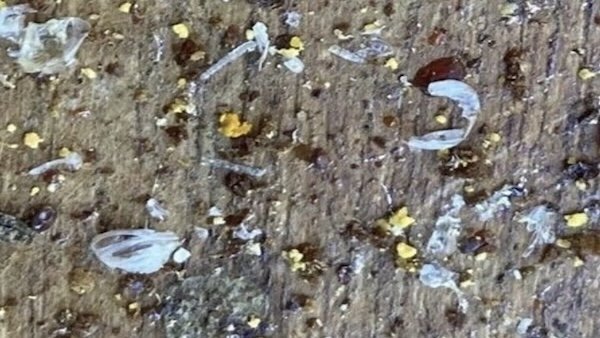
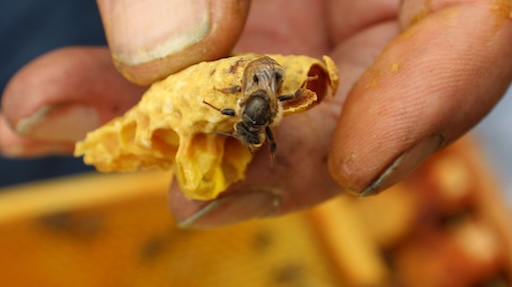
The key observations in a varroa resistant colony are uncapping of worker brood, chewing out of infected pupae resulting in pupal exoskeletons on varroa insert boards, resulting in low mite counts as the breeding cycles of the mites are interrupted.
Read MoreSICAMM
 SICAMM
an International Federation whose primary aims are the conservation, protection and promotion of the European Dark Bee
Read More