
Posts by Nick Mawby
Toolkit – Teaching
Teaching material and presenting it It is important that what you teach is good and sound. There may be a temptation, perhaps by less experienced teachers, to simply copy and paste from elsewhere, assuming it is reliable, especially if the same or similar is in several places. The problem with that is that others have…
Read MoreToolkit – general points
Some general points to teaching I am not a trained teacher and neither are many of those teaching beekeeping. It may be those who are professional teachers will disagree with some of the points I make, or ways of teaching, but most of us do the best we can with the skills and experience we…
Read MoreToolkit-2
When seeking information about beekeeping, especially online, there is a huge amount of “information” often implying that everything—whether bees or their management—is the same whatever the location in the world. This has partly led to the “beekeeping by numbers”, or “one size fits all” approach that has dominated teaching and learning of the craft in…
Read MoreUnderstanding Varroa Survival
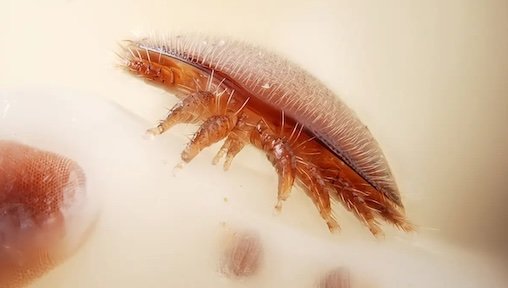
A 2025 study in Apidologie by Parenzan et al. reveals that Varroa destructor mites can survive far longer on honey-bee larvae than previously believed
Read MoreNovember: An essential winter tool – the varroa insert board
 Steve McGrath
Discover how beekeepers monitor varroa resistance during winter, with insights on mite counts, bee health, and tips for your own hive management.
Read MoreNovember 2025 BIBBA Monthly
Copy of test
Sorry, we couldn't find any posts. Please try a different search. Honey bees, with only one species, that are those that beekeepers keep. There is a lot more to know about them than is usually given in books and training courses. It isn’t often appreciated that some bees suit the locality better than others, need…
Read MoreOctober 2025 BIBBA Monthly
 Joe Ibbertson
- Varroa Resistant Colonies – October Update
- Red Listed – Wild Western Honey Bees Now Classified as Endangered
- Join us at the National Honey Show
- Optimising a Honey Bee Brood Box before Winter
Red Listed
 Joe Ibbertson
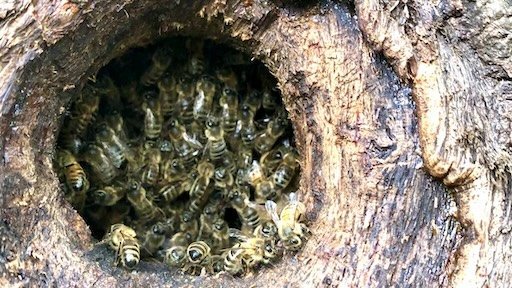
Wild Western Honey Bees (Apis mellifera) are now classified as Endangered in much of Europe, including southeast England, according to the IUCN Red List of Threatened Species.
Free-living colonies face severe threats from habitat loss, pesticides, invasive species like Varroa mites and Asian hornets, and genetic impacts from modern beekeeping.
Key survival depends on natural nesting sites and diverse foraging habitats, including urban areas.
Conservation efforts highlighted by the Red List include:
- protecting habitats
- controlling invasive predators and parasites
- promoting native bee subspecies,
- avoiding non-native genotype introductions
- expanding research
Without action, Europe’s wild honey bees — vital pollinators — face further decline.
Read MoreOctober: varroa‑resistant colonies show strong hygiene

Discover how varroa-resistant bee colonies thrive through natural traits like brood uncapping and pupae chewing out.
Read More